
To reform the immigration system in the country, the UK Labour government has announced the most radical changes in the asylum system in recent times.
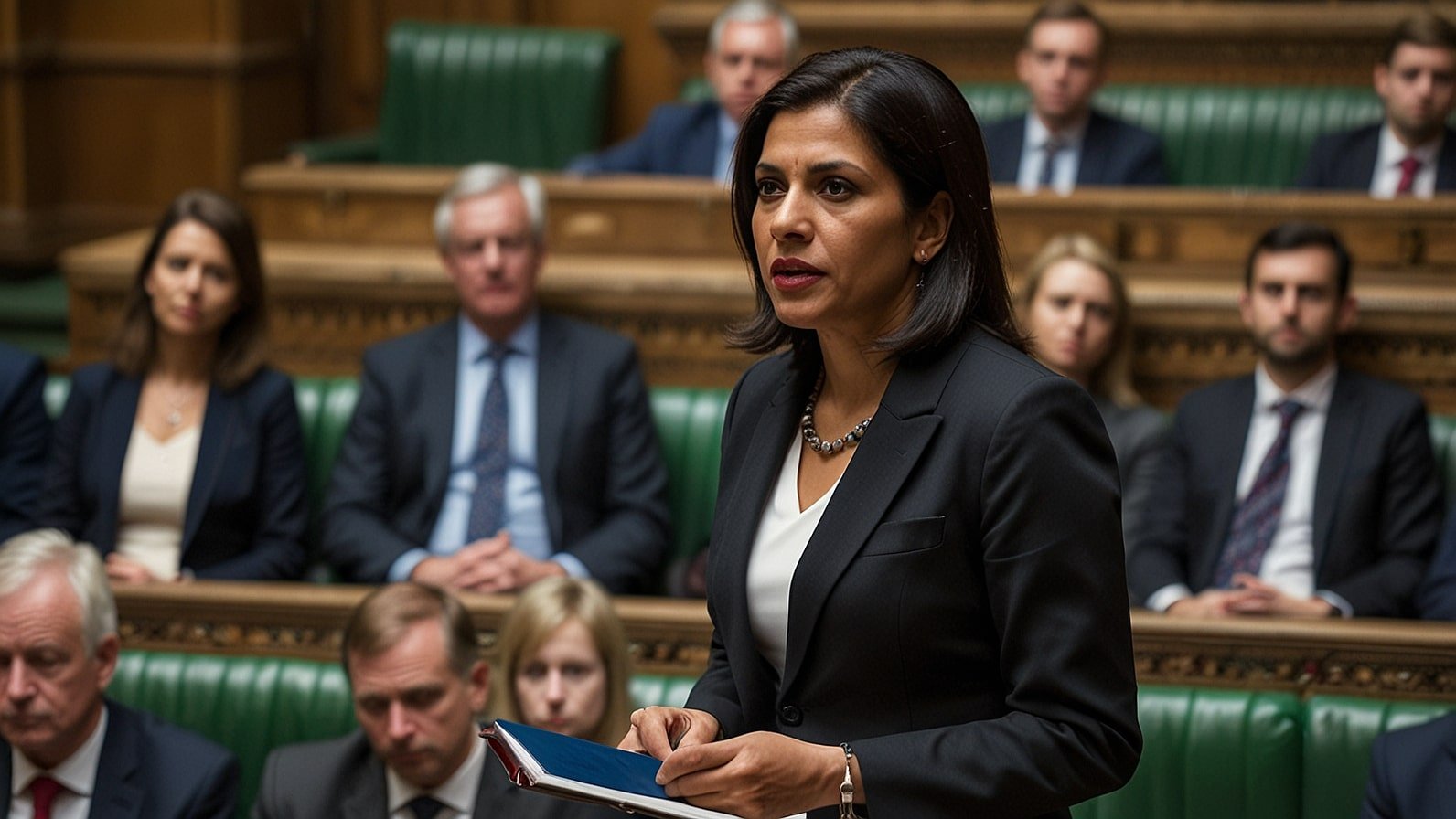
Home Secretary Shabana Mahmood has given a speech in the House of Commons today, which set out the plans to deter illegal immigration and expedite deportations. The reforms come as the nation struggles with the figure of almost 40,000 crossings by the small boats along the English Channel this year alone, which has also been a source of heated political debate and public anxiety.
The declaration represents a policy change in the tenure of Prime Minister Keir Starmer, who assumed office in July 2024. The government has already deported more than 50,000 people who did not have the legal right to stay in the UK.
Mahmood underlined that the existing system has unwillingly developed a kind of golden ticket towards migrants as it allows them to access safe countries and dangerous ways. These harmful crossings can be lessened by rendering the UK a less attractive destination; thus, the government hopes that this can make the immigration procedure more acceptable to people.
The main reforms in the Asylum Rules and Permanent Residency
The main component of the reforms is a radical increase in the waiting time for asylum seekers to obtain permanent residency. Those people who have been awarded asylum will now wait 20 years (instead of the current five) before they can apply to have indefinite leave to remain.
This will be aimed at ensuring that refugee status is more temporary, and each case will be reviewed periodically. In case the situation in the home country of the migrant is better and can be considered safe, the person may be deported to the UK.
Moreover, there will be no automatic right of asylum seekers to a residence or a weekly financial support offered by the state. The individuals who are qualified to work with their claims pending will be asked to pursue employment, and this will place the burden off the taxpayer-funded services. According to the government, these actions will promote self-sufficiency and will deter those who do not have any real claims against the system from being exploitative of the system.
Another area where reforms are aimed is the appeals process used to be criticised because it is a cause of delays. There will be one appeal available to the migrants who will not be allowed to challenge the asylum refusal on a number of occasions, which will presently complicate the courts. Human rights law overhauls will be carried out to speed up the removals so the government can operate faster when the person has no right to remain.
These modifications in the legal framework are inspired by the strict example of Denmark, where the grant of asylum is temporary, and permanence is achieved by language competence and integration into employment. The policy in Denmark has greatly reduced the number of asylum approvals, and the UK would like to follow suit.
Political Reasons and the Greater Picture
These announcements are not made randomly. The opposition to the government by the parties, especially Reform UK, with its leader Nigel Farage, has been mounting pressure on the government and has been exploiting the anti-immigration mood.
The party spearheaded by Farage has gained a lot of momentum by showing the soft side of Labour with regard to borders, a factor that led to new electoral victories. These harsh actions will help Starmer soften that kind of criticism and regain the initiative in the immigration debate, which was a central issue in the Brexit referendum and subsequent elections.
Mahmood emphasised the polarising effects of illegal migration on society, saying that it undermines the agreement to the general asylum system. Asylum claims in the UK have been increasing between 2021 and 2025, although they dropped in much of Europe.
Britain received 109,343 claims, fewer than such powerhouses as Germany (218,550) or France (159,260), but the growth has led to resource and public service strain. Another strategy that the government intends to implement is to open new safe and legal migration paths, which will help to offer alternative paths to the dangerous crossings of the Channel, but with stringent measures.
Political Party and Critic Reaction
The plans have received a divided reaction on both sides of the political divide. Farage of Reform UK was glad to see a more stern tone, but he doubted their effectiveness, stating that the changes would be defeated by court challenges. In his argument, he stated that small boat arrivals would not be stopped without targeting the root causes, which include international agreements.
Conservative Party in opposition, on the other hand, demanded even quicker deportations, implying that the reforms are not that radical. Liberal Democrats were in support of the idea of increasing the work rights of asylum seekers to facilitate integration and not a restriction. There is also unrest in the Labour Party as MP Clive Lewis accused the government of espousing far-right rhetoric, which would push progressive voters away and undermine fundamental values.
Human rights groups have sounded the warning bells, invoking the example of the Denmark system that has been subject to audit by the European Court of Human Rights. Opponents are concerned that the long queues and the removal of support may leave the vulnerable individuals in a vacuum, and this might be against international commitments. According to them, there should be efficiency, but no compassion should be compromised.
Future Impact on the UK Immigration Environment
Such reforms are an indication of a deeper shift in the UK policy, to escape what others view as a lenient strategy that has been bequeathed by past governments. The government will lower the backlog of illegal entries and allocate resources to true refugees by enabling faster deportations and limiting incentives to illegal entry. Nonetheless, the key will be the implementation, and the legal challenges will probably challenge the measures.
With the Border Security, Asylum and Immigration Bill going through Parliament throughout the week, as well as other pieces of legislation, such as the Employment Rights Bill, the debate will only escalate. The modifications may reform the role of Britain in international migration to balance between security and humanitarian duties.
So far, the announcement highlights the fact that Starmer is adamant in following through on vows of control and order, despite having to deal with the delicate politics, law, and ethics that surround one of the most controversial matters in the country.
In prospect, these reforms will be successful because they will prevent irregular migration without losing allies or violating rights. As there are also inflation data and international summits in the offing, immigration is also one of the hotspots that can characterise the tenure of the Labour. Mahmood concluded in her speech that regaining trust in the system is the key to an integrated society, and the way to do so is likely to be difficult and liable to questioning on all sides.