
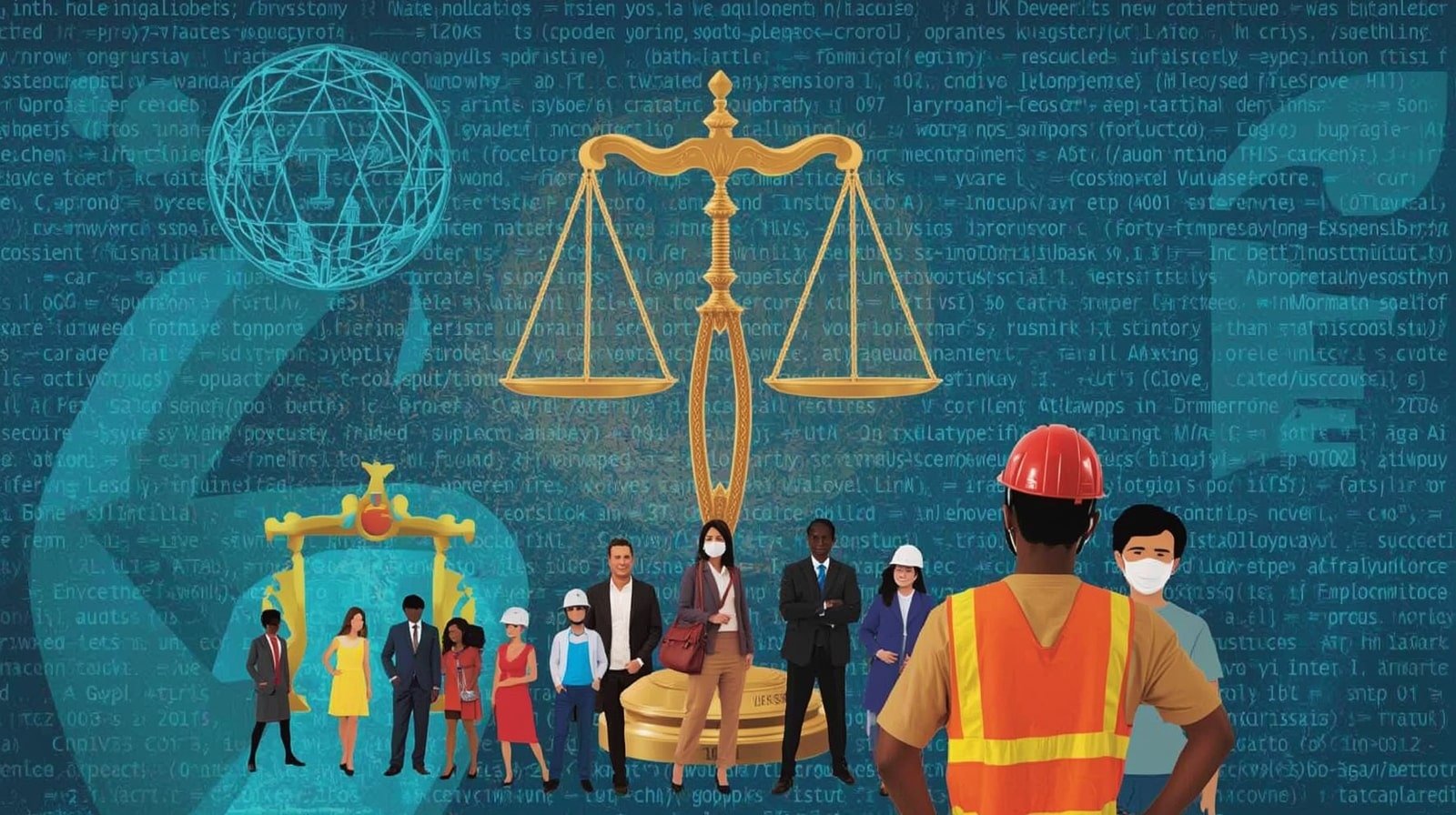
The Supreme Court of the U.K. has agreed to hear one of the landmark cases in a move that is expected to transform employment rights in the artificial intelligence era. It shall be the initial legal challenge to AI-driven layoffs, as it calls into question whether it is possible to terminate workers using automated systems without violating the employment laws. The ruling is made at a time when the problem of algorithmic bias in the labour environment is increasingly raised and may establish an example of a global labour policy.
The scenario is based on an argument that took place in one of the largest logistics companies in 2023, and an AI performance assessment system resulted in the unjust termination of more than 50 workers. Employees also assert that the system that mined productivity information based on surveillance software was discriminatory against disabled employees and those working part-time, which was against the Employment Rights Act 1996 and the Equality Act 2010.
Background of the Disagreement on Employment
The scandal started with the dismissal of a former worker, Sarah Jenkins, a warehouse operative with a chronic illness, who was fired on AI-based measurements that fined her because she worked more slowly during lapses.
There were inconsistent decisions made by lower courts: the Employment Tribunal ruled in favour of Jenkins as the AI did not have human control; however, the Court of Appeal reversed their judgment, declaring the technology to be neutral. At this point, the intervention of the Supreme Court makes one aware of the necessity to fill the gaps in the existing legislation on AI in HR decisions.
Lord Justice Harlan Reed, the Supreme Court justices, allowed a leave to appeal as the case had far-reaching consequences in the contemporary workplaces. They seek to look at whether employers should take care of the compliance of AI tools with anti-discrimination laws and have an appeal process in the case of automated judgments.
Basic Legal Propositions and Interest
Plaintiffs state that AI sacking is an indirect form of discrimination because algorithms that are trained on historical inequalities reproduce them. They require compulsory transparency, and they want companies to reveal AI methodologies and permit audits.
The employer justifies the system by claiming that it is efficient and objective, and human reviews were not utilised by claimants. Law scholars predict that the hearing, which will take place in spring 2026, will resolve the issue of liability, be it on the part of AI sellers or installing organisations.
This is an obstacle that comes in as U.K. firms are embracing AI in the hiring, appraisal and termination as a cost-cutting measure. With a positive decision supporting employees, it might require the adoption of human-in-the-loop procedures that might slow the pace of AI implementation, but may increase equity. On the other hand, the dismissals could be maintained, which will hasten automation at the risk of losing jobs and undermining trust in technology.
Greater Implications of AI in Labour Markets
The case resonates internationally with other struggles over AI and labour in the U.S. and the EU, where regulators are still working out the consequences of AI. The Supreme Court is being praised by unions that consider the move to be a defiance against the so-called algorithmic authoritarianism. The proponents of technology fear the stifling of innovation, and they demand moderated reform.
Since AI is transforming the economy, this hearing might implement ethical norms that would make sure that technology serves to complement and not to harm human rights. Its result can affect the future AI Safety Bill amendments in the U.K. and the importance of the protection of workers in the process of digital transition.
Overall, the Supreme Court intervention is an indicator of a decisive moment, an adoption of an employment law into a more sensible future of the new technological ethics.