
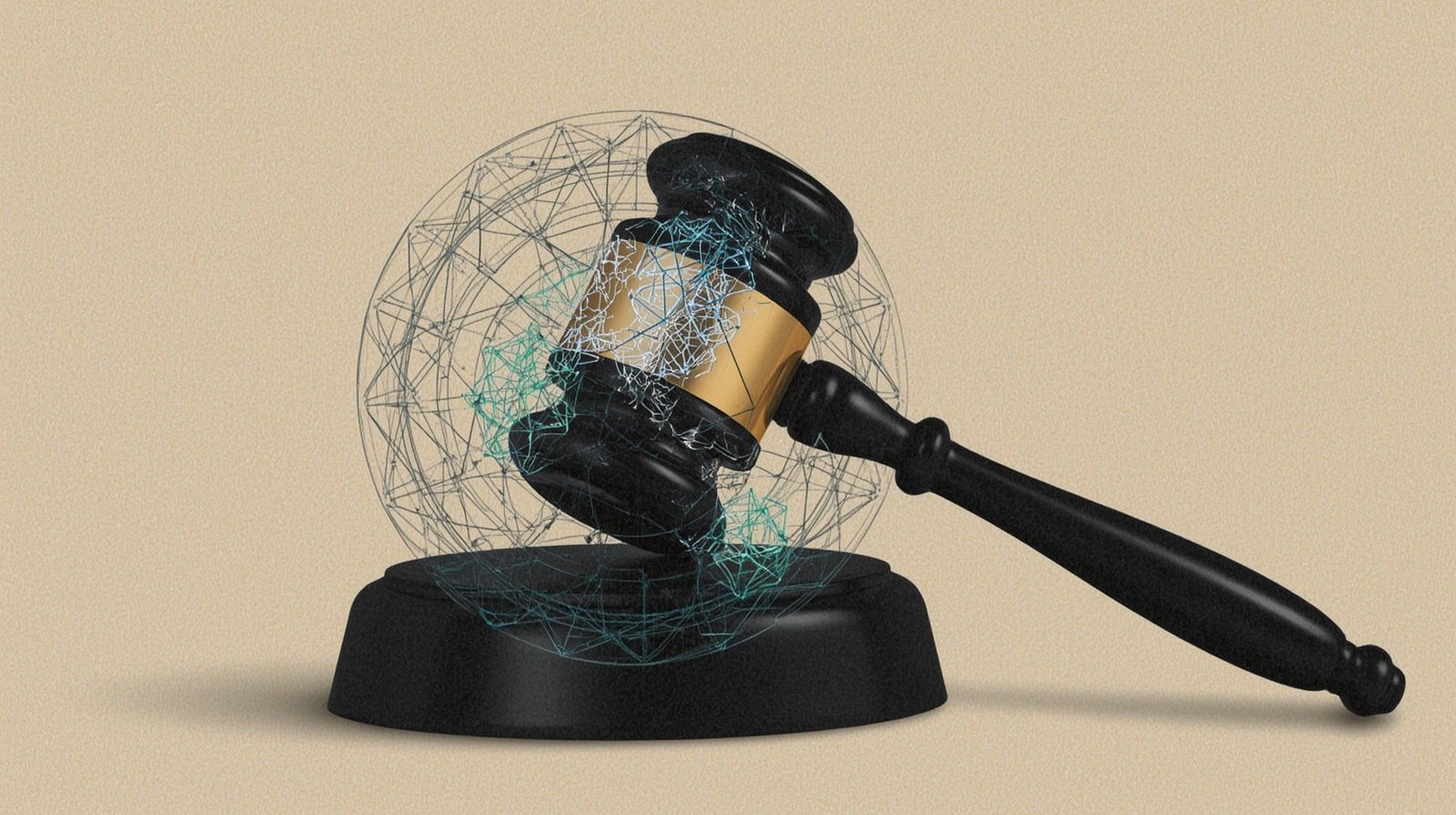
The U.K. High Court has authorised the case challenging the liability of automated decisions to proceed to trial in a revolutionary move that may redefine the legal history of the field of artificial intelligence. This action will be a big shift in the attitude of courts towards the responsibility of AI, which can make companies liable for the misfortunes of an algorithmic system without human control over it.
The case is built around one of the conflicts with a large financial institution, which ostensibly used an AI-based credit scoring system that supposedly discriminated against the applicants based on faulty data work.
According to the plaintiffs, the system has deprived people representing underrepresented groups of loans when they should have gotten them, which has resulted in financial hardship and missed opportunities. That the court has proceeded with the case highlights the increasing judicial scepticism of the role played by AI in making key decisions.
Background of the Groundbreaking Case
Its lawsuit stemmed from a 2024 case when some people had been denied mortgages and personal loans. It was found that the AI model that the bank developed, using historical data with high bias rates, perpetuated the discriminatory results.
This litigation, unlike the past, disputes that revolved around data privacy or intellectual property, directly addresses the question of the liability of the so-called automated decisions as stipulated by the laws of the U.K. developments, such as the Equality Act 2010, and any new laws introduced during the AI era.
The plaintiffs won a motion to dismiss as High Court Judge Elena Hargrove decided that the plaintiffs produced adequate evidence to be put on trial. She insisted that AI systems cannot avoid responsibility just because they are autonomous systems. The case is in accordance with the recent case law in the European Union, but goes even further by considering AI mistakes comparable to human negligence.
Important Arguments and Legal Implications
According to the prosecutors, the decisions made by the AI were characterised as direct discrimination, and there were no proper safeguards taken by the bank. The defence lawyers defend by arguing that the technology was created under industry standard practice and that it is data providers who should be held responsible and not the end-user company. The trial, which is expected to begin early in 2026, will help understand who is more responsible party in the case of AI developers or deployers.
This move is an indication of a significant change because the U.K. courts have been reluctant to adjudicate algorithmic issues in the past. In case the plaintiffs win, it may force companies to perform thorough bias audits and be transparent in AI activity. The financial and health sectors in industry may experience increased regulation, which will generate innovation and promote ethical considerations.
Wider Implications of AI Governance on a Global Scale
The fact that the case has generated international attention has affected discussions about AI liability frameworks in the U.S. and EU. Technology leaders threaten a lack of progress, but proponents are celebrating a triumph of consumer rights. Because of the increased levels of AI in everyday life, this case would be able to establish precedents that would make sure that technology becomes beneficial to society.
In short, the move of the High Court is the beginning of a new era of responsibility that balances technological advancement and justice. The resultant product can rearchitect the way the world avoids the traps and snares of automation.