
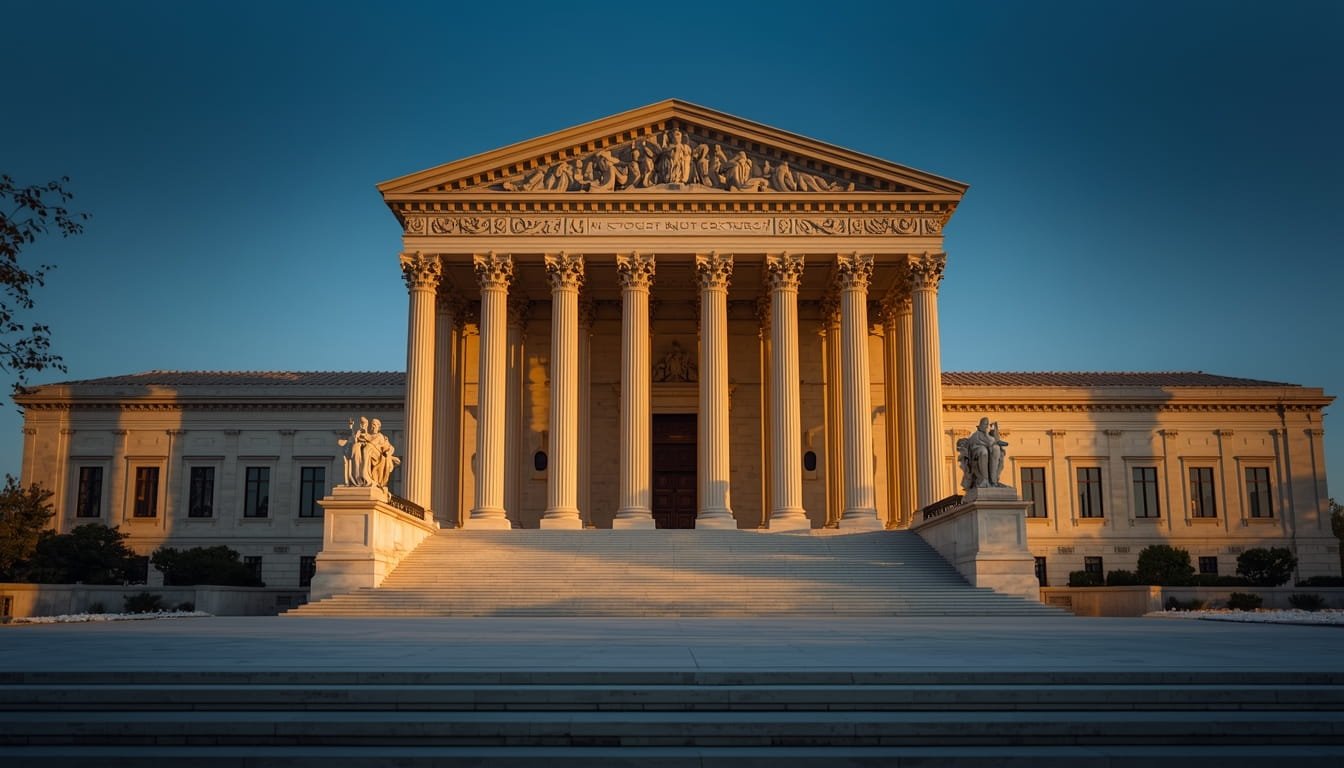
In what may become a landmark ruling on the regulation of artificial intelligence, the US Supreme Court has ruled that the creators of the systems can be held legally liable when artificial intelligence is used to produce defamatory or harmful content. The unanimous decision is the first case in which the highest court of the country has directly addressed questions of liability regarding generative AI tools.
The case concerned an AI chatbot that fabricated and disseminated false charges against a prominent individual, causing severe reputational harm. The justices concluded that one cannot sue the technology itself, but the companies that produce it should institute reasonable measures to avert such output. The decision makes it clear that the wide-ranging legal privileges that once accompanied online platforms do not necessarily protect poorly designed AI systems.
The Implications of this for the AI Industry
The new pressure on tech companies includes a need to focus on safety features such as advanced content filters, transparency labels, and regular audits. Law experts believe that the ruling shifts the emphasis from rapid innovation to responsible development, which may raise development costs but reduce future legal liability.
International Effect and Demands New Laws
The decision is already creating controversy in legislatures around the globe. It highlights the pressing need for a better digital policy that balances free speech with efforts to combat fake information. Advocates see it as an important step toward responsibility in the digital era, although some industry players fear it will slow the adoption of AI in sectors such as healthcare and education.
This Supreme Court ruling sets a pivotal precedent as artificial intelligence becomes an increasingly pervasive part of everyday life. It sends a firm message that technological advancement should incorporate an inbuilt sense of responsibility, taking the form of future laws that are in touch with the changing digital reality.