
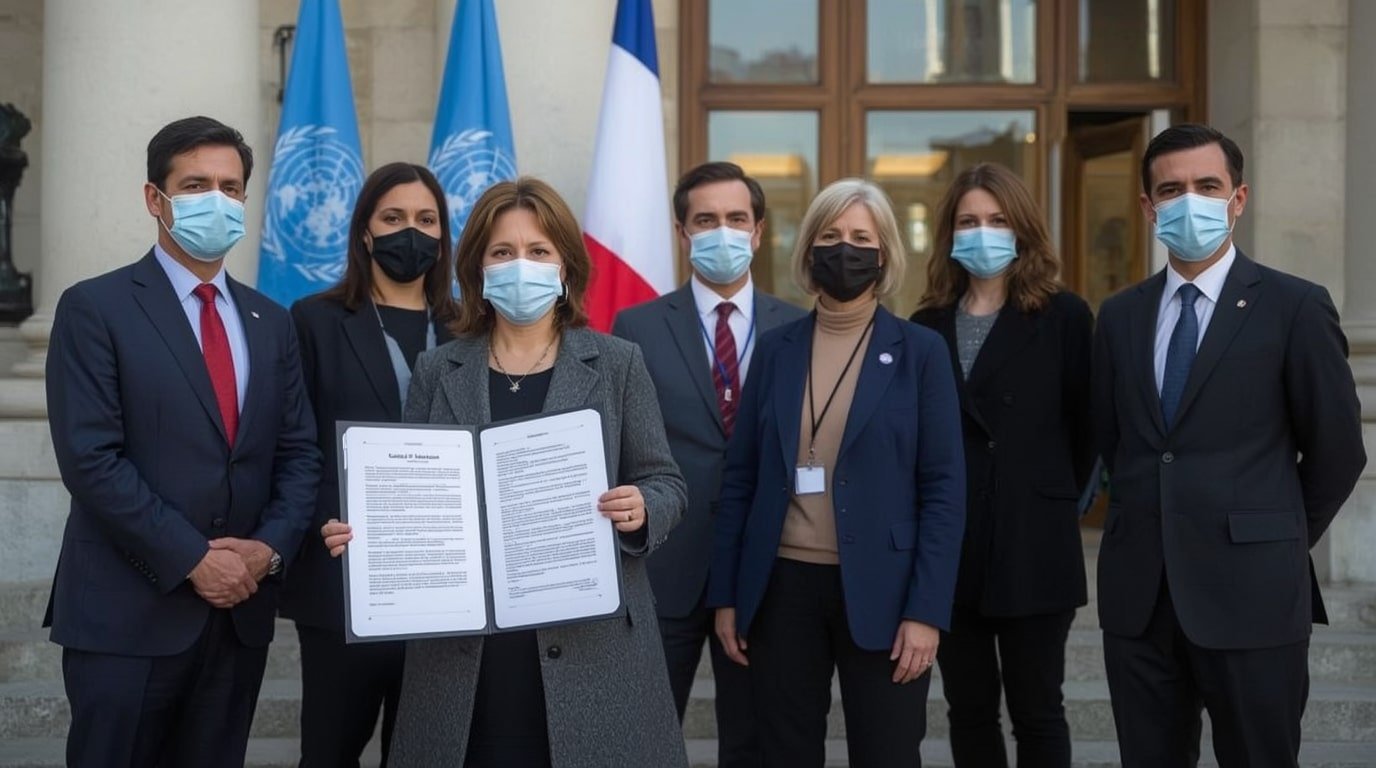
On December 5, 2025, the United Nations Committee on the Rights of the Child released a scathing indictment accusing France of high-level and systemic violations of protecting unaccompanied migrant children, which marked a turning point in the enforcement of international human rights.
The investigation, which is caused by the growing evidence of neglect and abuse, reveals the fundamental lack in the procedures of age assessment in France and urges urgent changes to protect vulnerable minors who leave the country to escape conflicts and poverty.
The investigation was launched on an Article 13 basis on the Convention on the Rights of the Child, which triggered it in 2023 following NGO and child advocates’ complaints. It reached today when the results were released, and the situation was pictured in a damaging way, as an institution failed.
The number of unaccompanied minors who enter France to seek asylum is over 3,000 every year, mostly from North Africa and sub-Saharan Africa. However, the committee recorded the experiences in which hundreds of people are in a limbo state because of the bureaucratic hurdles and discriminatory practices, which all expose them to exploitation, trafficking and homelessness.
Lone Children Held in Red Tape Hell
The violations are centred on the age-determination processes used in France, which are unreliable and prejudiced in the opinion of the UN. Authorities depend on skeletal X-rays, oral examination, and subjective interviews, which have been condemned due to their inaccuracy, particularly among ethnic groups.
The report presents the instances of children as young as 12 being wrongly perceived as adults and depriving them of legal rights such as foster care and education. The 150-page document cites forced returns to unsafe origins as violations of the best interests principle, which is a form of refoulement by proxy, and makes no mention of these practices.
The story that survivors tell highlights the loss of human life. A 14-year-old Malian boy told about months of sleeping in the Paris streets because he was considered an adult due to a malfunctioning wrist X-ray. Another one is a 16-year-old Afghan girl, who was sexually exploited in Calais camps because she was awaiting a reassessment.
The committee discovered that 4 out of every 10 disputed cases were wrongful classification, and it is contributing to more than 500 minors serving their time in adult facilities between 2020 and 2024. The health experts cited in the report have warned that such ordeals will cause long-term trauma such as PTSD and developmental delays.
The response of France has been defensive. In initial announcements, the Ministry of Justice rejected the investigation as politically motivated, arguing that it was necessary to have effective border controls due to the increased number of irregular crossings.
Nonetheless, statistics provided by the French Office of the Protection of Refugees and Stateless Persons show that the number of claims among unaccompanied minors has increased by 25% since 2022, putting stress on the resources but not justifying the systemic prejudice as claimed by UN professionals.
Reflections of the Bigger European Migration Crisis
The decision puts added pressure on the treatment of child migrants by Europe, the latest country to be accused of it, after Greece and Italy were also criticised. Implementation of the New Pact on Migration and Asylum, which was adopted at the EU in 2024, offered better protection, but the implementation is slow.
The decision was celebrated by Amnesty International as a wake-up call, and they want France to reform the procedures within 180 days or risk additional action by the UN, including a referral to the International Court of Justice.
The investigation is not confined to the assessment but includes the failure of France to offer proper facilities in terms of housing and legal assistance. At least 20 child deaths have happened because of neglect in overcrowded reception centres where violence is common (since 2021).
The committee suggests that they should have mandatory appointments of guardians, appeal that is independent and training of officials on child rights based on successful practices in Sweden and Canada.
This is seen by legal scholars as a test of the effectiveness of the Optional Protocol, the first to challenge any Western country. The fact that the rich states are above correction merits attention, said a Geneva-based rights lawyer. By June 2026, France will have to provide a compliance plan, and visits will be made.
The Way to Reform or Another Impunity?
To the children who were victims, dotting in streets and hostels, the report today is validation, although it does not bring immediate relief to them. Civil societies such as Human Rights Watch are organising a suit in French courts and using the UN results as a tool to seek an injunction. In politics, it coincides with France, which is debating its budget in 2026, when migration funds still hang in the balance due to right-wing influence.
With winter snapping at the heels in Europe, the panic builds. The chair of the committee focused on reminding that children are not property in the migration debates, but they are rights holders and should be granted protection. Whether France listens to this clarion call might reinvent its position in the world on human rights or further divide an already fractured system.
This move confirms the importance of the UN in ensuring that the most vulnerable citizens, such as displaced children, do not slip into administrative oblivion. The world is waiting to see real change, with the world making clamours in Geneva.